
Managing After-Hours Property Maintenance Calls
calendar_today
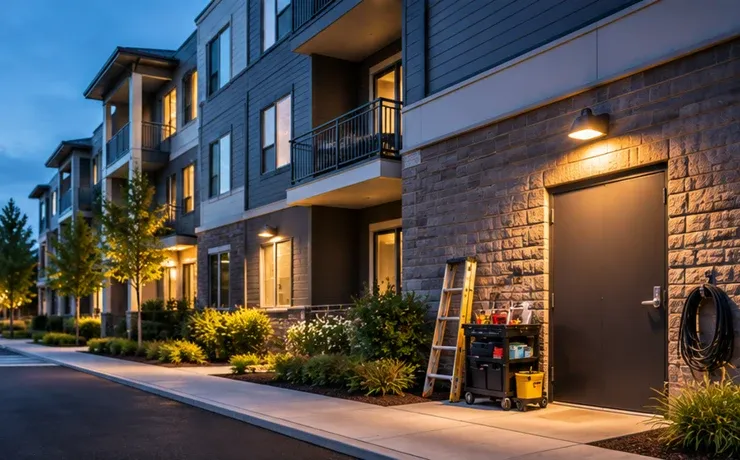
For property managers, the end of the leasing office's business day does not mean the end of maintenance requests. Residents may discover a leaking pipe, lose access to their building or notice a problem with heating or cooling long after the office has closed. Some situations require immediate attention, while others can reasonably wait until the next morning.
The challenge is creating a process that makes that distinction consistently. Sending every request to an on-call technician can exhaust maintenance staff, but allowing urgent reports to sit in voicemail can delay an appropriate response. A structured after-hours answering process helps property teams collect useful information and direct requests according to established procedures.
Define maintenance priorities before calls arrive
Every property has different equipment, staffing arrangements and obligations. A building with centralized heating may require different escalation instructions from a community where each apartment has its own system. Local laws, lease terms and weather conditions can also affect how quickly certain problems must be addressed.
Property managers should establish written categories for immediate escalation, time-sensitive follow-up and routine maintenance. The categories should include examples and exceptions rather than relying on vague descriptions such as urgent or important. Have the appropriate property leadership and maintenance professionals approve the instructions.
Call handlers should not be expected to diagnose equipment problems or make technical judgments beyond their training. Reports of immediate threats to life or safety should be directed to appropriate emergency services in accordance with approved procedures.
Collect information that maintenance staff can use
A message saying that something is broken rarely gives a technician enough information to prepare for a response. A useful intake process identifies the property, unit number, resident contact details and a clear description of the reported problem. Depending on the issue, approved questions may establish whether the problem affects one unit or several areas of the building.
The aim is not to turn the call into a lengthy interview. Instead, gather the details necessary for the maintenance team to understand the situation and contact the resident. Avoid collecting unnecessary sensitive information, and ensure that access instructions or security-related details are handled according to the property's policies.
A property management answering service can support this intake process using instructions tailored to each community. For management companies overseeing multiple properties, distinguishing between similarly named buildings and different maintenance teams is especially important.
Keep on-call schedules accurate
Even a well-designed escalation process can fail if the contact list is outdated. Maintenance staff may rotate weekend assignments, take vacations or exchange shifts. Some properties also rely on outside contractors for specialized equipment or services.
Maintain a single approved source for on-call schedules and establish who is responsible for communicating changes. Include primary and backup contacts, applicable coverage periods and any restrictions on when contractors may be contacted. Confirm that temporary schedule changes have been received before the affected shift begins.
When a technician cannot be reached, the answering instructions should specify what happens next. This might involve contacting a backup technician or notifying a designated manager, depending on the circumstances. The procedure should not leave operators guessing how many attempts are appropriate or when to move to another contact.
Give residents clear expectations
Residents calling after hours often want to know whether someone has received their request and what they should expect next. A calm, professional conversation can help reduce uncertainty even when the problem cannot be resolved immediately.
Provide approved language for routine requests, escalated maintenance reports and situations where a response time has not yet been confirmed. Operators should distinguish between recording a request, notifying a technician and receiving confirmation that work is underway. Promising that someone will arrive within a particular period without authorization can create unnecessary frustration.
The same principles that support customer trust through professional answering apply to resident communications. Consistent explanations and accurate messages help establish confidence in the property's management process.
Account for repeat calls and shared incidents
A single building-wide issue may generate calls from several residents. Without a procedure for identifying related reports, each message may be treated as a separate incident, creating unnecessary notifications and making it harder for staff to understand the overall situation.
Establish how known incidents should be communicated to the answering team and who can approve updates for callers. Continue recording relevant new information, particularly when a resident describes circumstances that differ from the original report. Avoid assuming that every call from the same building concerns the same problem.
For larger communities, a designated incident reference or other consistent tracking method can help staff connect related messages. The approach should fit the property management system already in use rather than introduce unnecessary administrative work.
Review overnight activity each morning
The handoff to daytime staff is a critical part of after-hours coverage. Managers need to know which requests were escalated, which remain outstanding and whether any residents are waiting for a response. A clear record of notifications and acknowledgments helps the daytime team avoid duplicating work or overlooking unresolved requests.
Review recurring maintenance categories periodically. A pattern of similar overnight reports may indicate a building issue that deserves investigation, while repeated routing problems may reveal a need to revise instructions. Use these findings to improve both maintenance operations and the answering process.
Effective after-hours coverage is not about treating every maintenance request as an emergency. It is about making sure every report reaches an appropriate destination, with enough information for the responsible team to act. Clear priorities, accurate schedules and dependable handoffs help property managers support residents while protecting the time of their maintenance staff.